How does Epic Games CEO Tim Sweeney reckon we can fight the component crisis
What the report saysIt's pretty obvious to anyone that's been paying attention that the games industry is in a pretty rough place at the moment. No matter where you look, there are mass layoffs: Sony, Microsoft, EA…
What the report says
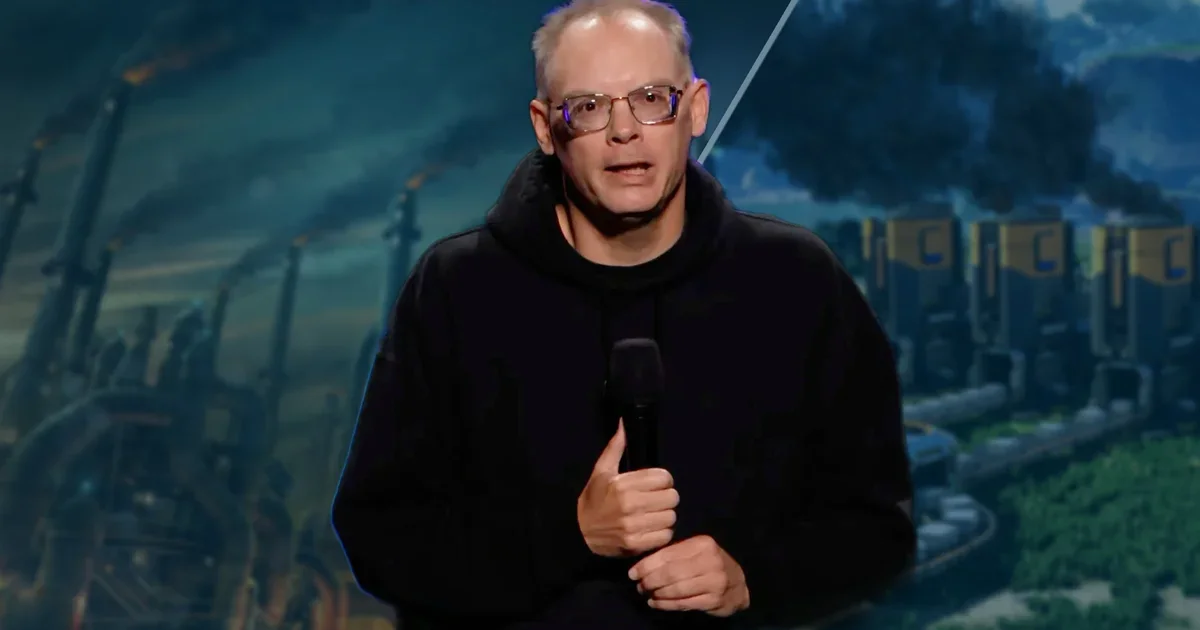
It's pretty obvious to anyone that's been paying attention that the games industry is in a pretty rough place at the moment. No matter where you look, there are mass layoffs: Sony, Microsoft, EA, Ubisoft, Take-Two, Epic Games… the list goes on. The reasons are myriad, but generally companies place the reason for 'restructuring' at the door of the contraction of the market as a result of the pandemic boom in gaming, rising development costs, longer production cycles (and higher wages), shifts in consumers spending patterns, and the hardware shortages fuelled by the rising demand for AI data centers around the world.In a new interview with Edge Magazine, via GI.biz, Epic Games CEO Tim Sweeney has weighed in on the current state of the industry, suggesting that we're seeing the biggest crash since the infamous 1983 collapse sparked by the 'Atari shock'.
He was asked about the component shortage, specifically, and in response discussed how it threatens to completely upend the industry if businesses do not act to get in front of the problem, soon. Watch on YouTube "It's an unexpected, severe disruption," Sweeney explains. "There's an unprecedented wave of investment in building AI systems and data centres, based on the belief that they're going to have a really transformational role in the economy, and the scale of the economic opportunity there means they can outbid the entire entertainment industry for all the components."So we're getting the short end of the stick, and the prices of RAM and storage are quadrupling, and not necessarily stopping there.
We should expect there's just going to be a continual supply crisis for all gaming-relevant hardware for the next three years. The only solution, I think, is going to be building massive new factories to meet the world's capacity demands – and that will happen. But there's no Moore's Law for construction equipment."Sweeney argues that "you need to either be an ecosystem, and grow a massive audience that can sustain your product, or be in an ecosystem, and reach the audience where it already is." He posits the idea of open-ended ecosystems in games that allow you to make a purchase in one place before importing it into another - "an open and interoperable economy where you can make thisn that work in Fortnite and every other game that chooses to participate." Sound familiar?

Key details
Well, at least Sweeney concedes that the idea of NFTs was a wash. "NFTs tried this same thing, and it absolutely failed, and everyone was ripped off in the process", he notes. "There needs to be some sort of revenue-sharing model so that if you buy an outfit here, but you're mostly playing there, then they get some money." He also sees such a shift encouraging those single-game devotees to expand their horizons, by freeing them from the sunk-cost friction of losing everything they've already bought." Sweeney concedes that there's a lot of work to be done in order to fix the industry and its current problems, and suggests a united front is actually the best way forward: "If we want to [address these issues] in a way all developers and publishers can get on board with, we've got to do it as peers," he says.
"Companies have only ever done this [kind of thing] in times of crisis, and we have one now. So maybe now is the time."Sweeney has been in the news elsewhere fairly recently for suggesting Fortnite's rival gaming platform, Roblox, is a force that will "grow and eat gaming". These comments came just weeks before Fortnite revealed a massive new collaboration with various gaming mascots, from Crash Bandicoot to Lara Croft, Street Fighter to Kingdom Hearts.Epic itself laid off 1,000 developers in March. Prior to the layoffs, Epic had expanded to support the explosive growth of Fortnite, but a drop in Fortnite player engagement led to reorganisation and the elimination of roles.
At the time, Sweeney also called out issues affecting the rest of the industry as well as Epic itself, such as declining console hardware sales.